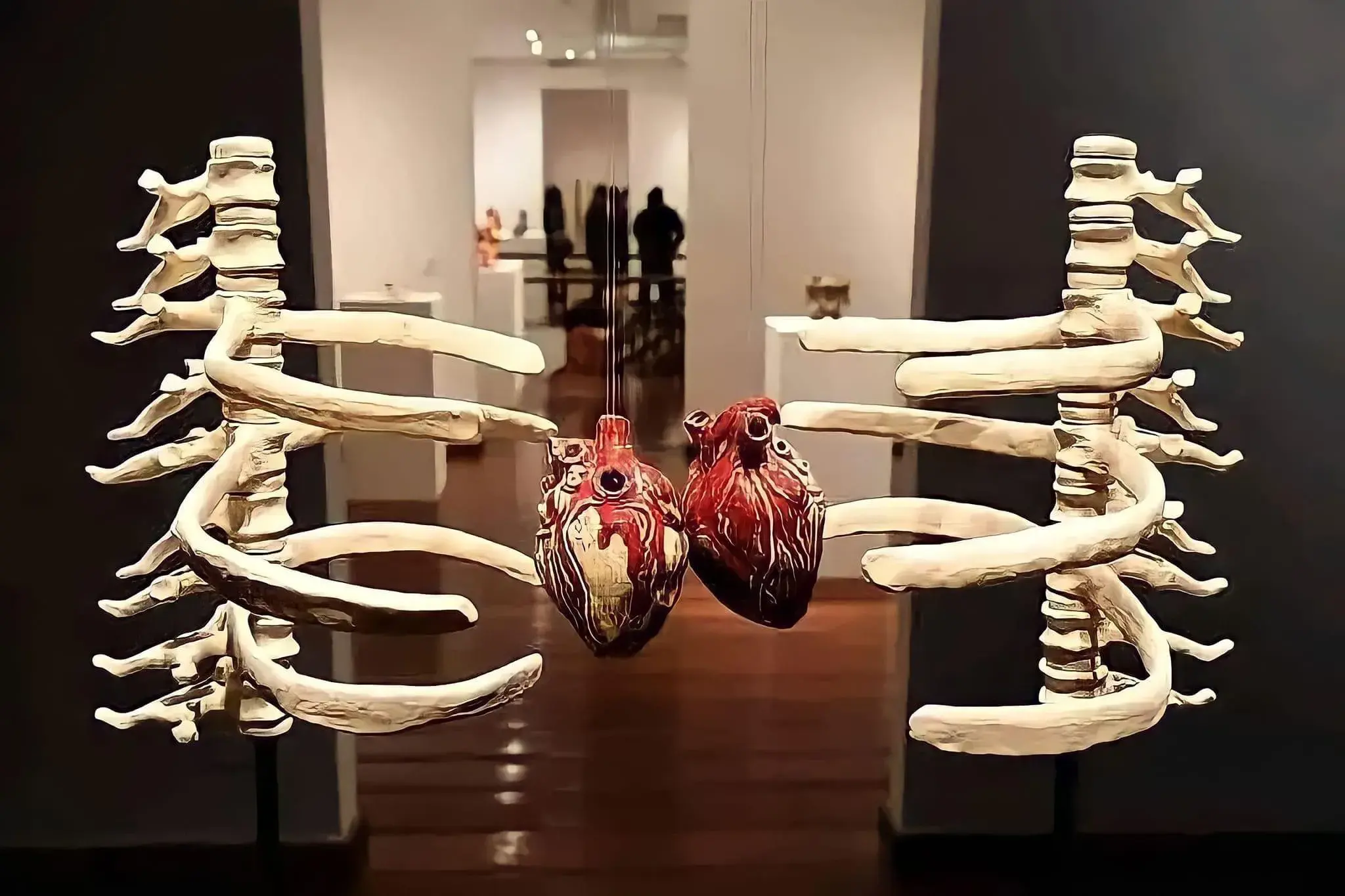
The first command every dancer hears when stepping onto the tango floor is: "Hug your partner." However, this simple action gives way to a complex biomechanical collaboration under the milonga lights. Abrazo is the art of synchronizing two independent skeletal systems around a single center of gravity. In this article, we take abrazo beyond being a romantic embellishment; We will subject you to a real "anatomy" examination, from the arrangement of the bones to the tension of the muscles and the journey of energy in the spine.
1. Historical and Sociological Genetics of Abrazon
To understand the anatomy of the abrazon, it is necessary to first understand why it is so "close". In the ports of Buenos Aires at the end of the 19th century, the only common language of immigrants speaking different languages was physical contact. The embraces, which were more distant at first, evolved with the necessity of dancing in crowded and narrow spaces and turned into today's "closed embrace" form.
This evolution transformed tango from a "figure dance" into a "dance of feeling". Abrazo is ingrained in our genetics as a haven where strangers take shelter in their most vulnerable state. The bond you form when you enter a milonga in Fethiye today is actually a modern reflection of a 150-year-old survival and communication instinct.
2nd Spine Alignment: The Main Column of Dance
The anatomy of the abrazone starts from the spine, not the feet. For a healthy connection, both dancers must be in a vertical direction on their own axis.
- A-Frame Structure: Dancers do not stand exactly parallel to each other. They touch at the top of their ribcage, in a slight "V" or "A" shape. This alignment ensures that the diaphragm is released and the lungs work at full capacity.
- Dissociation: Dissociation, the most critical anatomical movement of tango, is the rotation of the upper body (thorax) towards the partner while the hip remains fixed in the direction it is directed. This rotational ability allows figures to be made without breaking the abrasion. If the spine does not have this flexibility, the abrazo turns into a "clamp".
[Technical illustration showing spine and axis alignment in abrazo]
3. Upper Body Engineering: Frame and Tone
The misconception that abrazo is "just arms" is one of the biggest hurdles for beginners. Anatomy tells us that the arms are just "conduction cables."
- Scapula Connection: When the leader's right arm wraps around the follower's back, the power comes from the shoulder blades, not the fingertips. Stabilizing the scapula allows feeling the weight of the partner and guiding him.
- Tonus (Muscle Tension): The arms should neither be as hard as concrete nor as loose as cotton. Ideal tone is like the tension of a spring. It should be able to absorb the slightest pressure from the partner and transmit it back instantly.
- Elbow Geometry: Dropping the elbows anatomically causes the shoulders to roll forward and the rib cage to collapse. This physically closes the connection channel.
4. Energy Route: From Center to Periphery
In a true abrazo, the energy flow is circular. The leader initiates the movement from his own center. This energy; it rises along the spine, is transferred over the shoulders to the arms, and reaches the follower's torso. The follower passes this energy through his spine and transmits it to the ground (feet), completing the movement with the power he receives from there and sending the energy back to the leader.
When this cyclical flow is disrupted (for example, when the leader only uses his arm), the follower perceives this as a "push." An anatomically correct connection makes your partner feel like a part of you. Click here to discover this uninterrupted energy flow with our expert trainers.
5. Biomechanical Errors: Why Do It Hurt?
An incorrectly constructed abrazo will not only cause you to dance poorly, but will also cause you to be injured in the long run. The most common errors are:
- Shoulder Elevation: The approach of the shoulders to the ears due to stress or lack of technique locks the trapezius muscles. This sends an "angry" or "nervous" signal to your partner.
- Hyperlordosis: Removing the hips and bending the waist to get closer to the partner puts excessive stress on the spine. Abrazo is a ligament established from the ribcage, not from the waist.
- Wrist Fracture: Bending the wrists of the leader or follower reduces nerve conduction and sensitivity. The wrists should remain straight, a natural extension of the forearm.
6. Anatomy of the Heart: Emotional Connection
The anatomy of the abrazon is not just about bones and muscles. The heart and lungs, just behind the ribcage, determine the rhythm of the dance. When two dancers meet in the "closed abrazo", their heartbeats and breathing begin to synchronize with each other. This triggers the release of oxytocin (the commitment hormone).
In Fethiye milongas, in those moments when the smell of the sea seeps in, technical perfection gives way to this deep biological harmony. Sharing the same breath with a stranger for 3 minutes is one of the greatest "healing" moments experienced by modern humans.
7. Abrazo Types and Functional Differences
Anatomy also varies depending on the chosen style:
- Milonguero Style: Maximum chest contact, minimum distance. The centers of gravity are closest to each other.
- Lounge Style: A more upright stance, a slight distance but a constant upper body connection.
- Tango Nuevo: A flexible, dynamic and wide frame that can be opened and closed continuously.
Finding which anatomy is more suitable for you starts with knowing your body. Contact us to find the style that best suits your body and get professional support.
Conclusion: From Anatomy to Art
Knowing the anatomy of the abrazone is like knowing how an instrument is made. However, soul is needed to play that instrument. This skeletal and muscular structure we have explained so far is only to create a clean channel through which music can pass. The cleaner (technically correct) the groove, the freer and more fascinating the dance. Remember; The best abrazo is the hug in which you leave your partner most free.
Write Your Own Story on the Floor
It's time to take your first step. Join Fethiye's most passionate community.